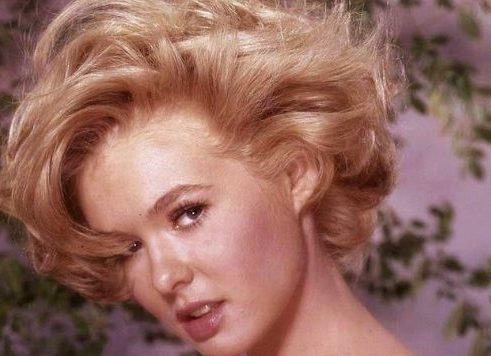
One of the stage lamps flickered, sending a warm tremor of light across the polished floorboards. The heavy velvet curtain shivered, then slowly began to rise, its deep maroon folds parting like the opening of a dream. And then—suddenly, as if a spark had taken breath—there she was.
Joey Heatherton.
Radiant. Electric. Almost impossibly alive.
She didn’t simply walk onto a stage; she erupted into it. Her presence had the rare, magnetic energy of performers who seem born not just to entertain, but to transform a room the moment they appear. Joey moved as though the music had reached into her bones and taken possession. Every turn of her body was fluid and precise, every note of her voice silky and controlled, every glimmer in her eyes a promise of something exciting, unpredictable, and entirely her own.
To watch her perform was to be transported—to a world brighter, faster, and more intoxicating than everyday life. It was the world of American show business in the 1960s, an era bursting with color, rhythm, and the thrilling sense that entertainment was being reinvented in real time.
Born in 1944 as Davenie Johanna Heatherton, Joey was practically destined to live under the glow of stage lights. Her father, Ray Heatherton, was a beloved radio and television performer known across the country as “The Merry Mailman.” From him Joey inherited not only talent, but an unwavering belief that performing wasn’t just an occupation—it was a calling, a discipline, even a battleground where only the most determined survived.
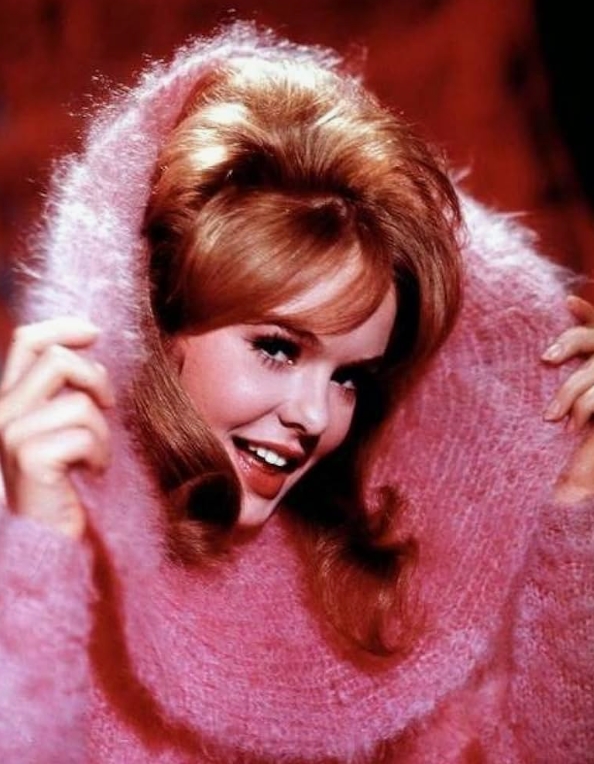
She trained in ballet throughout her childhood, absorbing the rigor and technique that later shaped her famously sharp, expressive style. As a teenager, she appeared on Broadway in The Sound of Music, where audiences and critics alike noticed the bright spark in the young actress with the wide eyes and luminous smile.
By her early twenties, Joey had transformed into America’s quintessential “girl next door”—fresh-faced, charismatic, and endlessly watchable. Shows like The Perry Como Show showcased not just her beauty, but also the lively spontaneity that set her apart from other performers of the day.
Then came the golden era of her career.
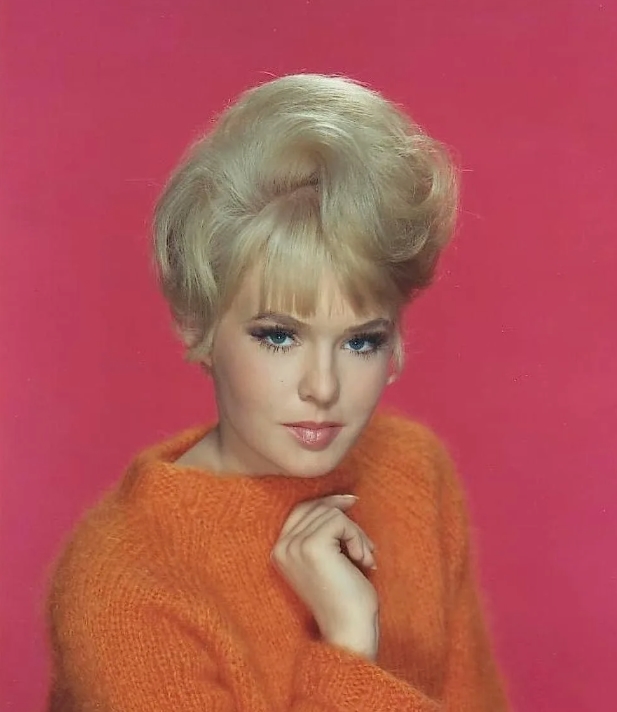
Joey’s performances on The Tonight Show, Hullabaloo, and The Dean Martin Show cemented her status as a television icon. She danced with an intensity that somehow blended precision and abandon, as if she were both choreographer and lightning bolt. Her voice, warm and velvety, floated effortlessly across the room. And her ability to command attention—whether in a sultry solo number or a joyful group performance—was undeniable.
She didn’t just entertain Americans at home. Traveling with Bob Hope, Joey visited military bases around the world, performing for soldiers stationed overseas. Whether on makeshift stages in Vietnam or in grand European halls, she stood under the glare of harsh lights, singing and dancing to lift the spirits of men who desperately needed distraction and hope. Wrapped in sequins and sincerity, she became a symbol of joy, courage, and a touch of home far from home.
In 1972, Joey released The Joey Heatherton Album, a record that blended pop, soul, and her signature sultry tone. Her single “Gone” climbed the charts, earning praise from critics who admired her ability to shift seamlessly from dancer to vocalist. For a moment, it seemed Joey might conquer not only television, but the music world as well.
But fame, as it so often does, cast a double shadow.
Behind the curtain of bright lights and dazzling outfits, Joey’s life began to grow more complicated. Her marriage to NFL star Lance Rentzel unraveled after a highly publicized scandal, placing her under an unforgiving spotlight. Hollywood’s appetite for variety shows dwindled as new formats, new stars, and new technologies began to dominate television. The glitzy, choreography-heavy programs that had made Joey a sensation simply fell out of fashion.
By the late 1970s, the once-endless stream of invitations slowed to a trickle. The industry moved on quickly—as it always does. Headlines became harsher. Roles became fewer. And Joey, who had once lit up America’s living rooms with vibrant energy, stepped gradually into the quiet shadows of obscurity.
Yet the legacy she left behind didn’t fade as easily as her public presence.
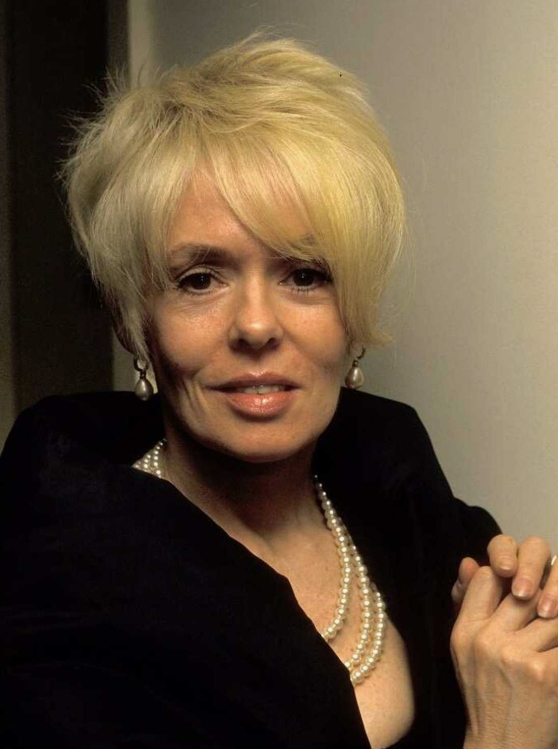
Even now, Joey Heatherton remains a vivid echo of a unique era—one where television shows were performed live, when stars sang without autotune, danced without digital retouching, and connected with audiences in ways modern entertainment rarely replicates. She embodied a time when glamour was genuine, when charisma was earned, and when performers poured heart, sweat, and soul into every moment onstage.
Joey was a paradox: both fiery and delicate, bold and vulnerable. She captivated millions not because she was perfect, but because she was unmistakably human beneath the sparkle. Her performances were bursts of adrenaline and flashes of vulnerability, delivered with the unfiltered sincerity that defined mid-century American entertainment.
She once dazzled the nation, then quietly slipped away from the spotlight. But the memory of her — the rhythm she carried in her step, the electricity in her voice, the unmistakable glow she brought to every stage she touched — still lingers in the cultural memory of those who lived through that golden age of television.
Joey Heatherton reminds us that behind every blinding spotlight beats a real human heart—and behind every star too bright to forget lies a story woven from passion, struggle, triumph, and the inevitable passing of time.