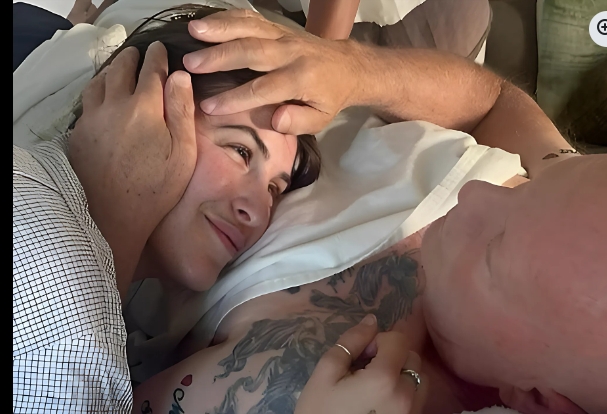
It remains a mystery to many observers why the family members of well-known actors suffering from severe or degenerative illnesses choose to publish intimate photographs of them online. The motivations behind these decisions are rarely stated openly, leaving room for speculation. Perhaps the goal is to evoke sympathy, attract compassion, and garner emotional support from the public. Or perhaps it is an attempt by relatives to express their own grief, helplessness, and involvement in the painful journey their loved one is undergoing. For some, sharing such images may feel like a way of not facing the struggle alone — as if the collective attention of millions could somehow ease the weight of a personal tragedy.
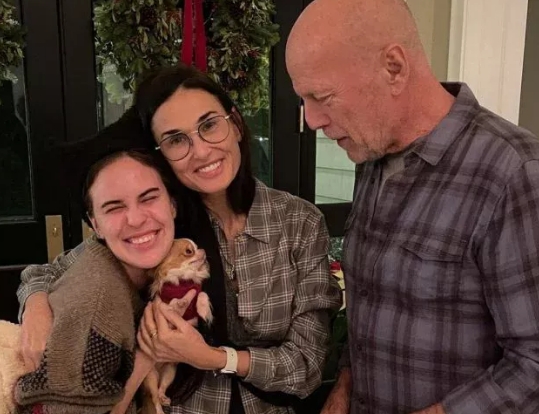
In everyday life, countless people spend endless hours by the bedside of sick or aging relatives. They hold hands with loved ones who no longer respond. They adjust pillows, offer sips of water, whisper words of comfort, and sit through long, heavy nights listening to the quiet rhythm of medical machines. Yet only a small fraction of these people would ever consider photographing such moments, let alone posting them publicly for strangers to see. Most would instinctively feel that these final or fragile scenes belong in the private space of family — a space guarded by respect and silence.
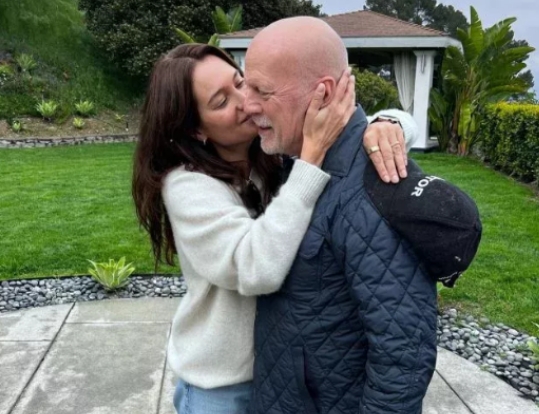
For ordinary citizens, the idea of staging photographs at the bedside of a dying parent or a debilitated spouse feels almost unthinkable. It would not occur to most people to document such raw vulnerability for the world. If anything, they would feel the urge to shield their loved ones from prying eyes, preserving the last remnants of dignity.
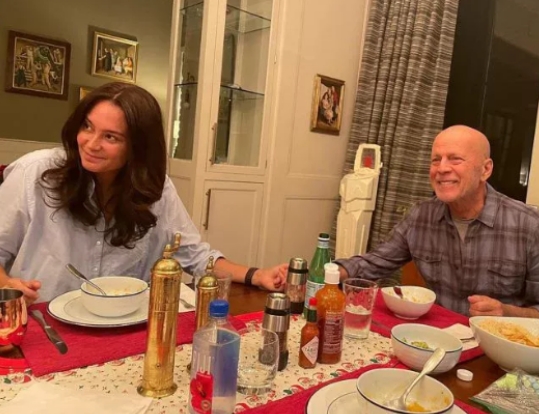
However, when it comes to the relatives of celebrities, the situation becomes more complicated. People who live in the constant glow of public attention tend to view the concept of “interaction” with their audience differently. Their lives, their joys, their struggles, and even their tragedies are often shared, commented on, and consumed by millions. Over time, the boundary between private and public becomes blurred — sometimes beyond repair.
A striking example is the decision made by the daughter of Bruce Willis to share a photo of the actor lying in bed. Her intention, as she explained, was to ask followers for emotional support and kindness as her family navigated an extraordinarily difficult experience. Yet many questioned whether the actor himself — once known for his vitality, intensity, and strong screen presence — would have ever permitted such exposure, especially in such a vulnerable state. But his opinion, as it seems with many individuals suffering from advanced neurological conditions, may no longer carry the same weight it once did.
This raises an important and sensitive question: to what extent does illness take away a person’s agency, and who then holds the moral right to decide what is shared with the world?
A key point must be emphasized here:
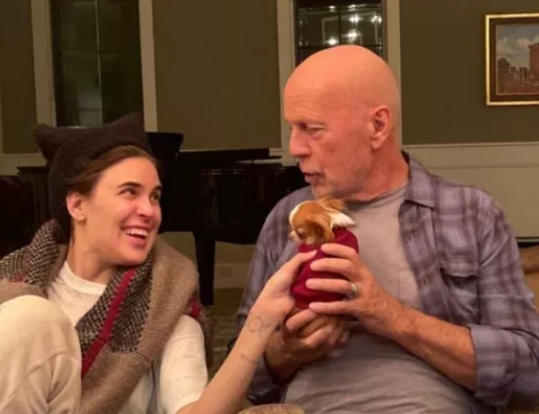
Sharing such images can evoke deeply mixed emotions in the public. On the one hand, many feel genuine compassion. They see a beloved actor or entertainer reduced to fragility, and they are reminded of their own humanity and the universality of suffering. On the other hand, there is a palpable discomfort — even a sense of intrusion. Viewers may feel that they are witnessing moments that were never meant for public display.
In this tension lies the fragile border between the desire to share a painful experience and the temptation to draw attention, consciously or unconsciously.
As one observer put it:
“Photographs capturing the most vulnerable moments of a person’s life often spark heated debates about privacy and emotional ethics.”
Indeed, several major themes emerge from this ongoing discussion:
Public expectations and social norms
Today’s audience is accustomed to near-constant access to celebrities’ lives. Followers expect updates, transparency, and authenticity — but where is the line between sharing and exploiting a moment? Does public interest justify every disclosure?
The role of social media in modern communication
Platforms like Instagram and Facebook encourage people to share personal events in real time. They reward emotional openness, confession, and vulnerability. In a digital world built on visibility, even grief becomes performative.
The ethical side of sharing personal photographs
When relatives decide to publish such images, they may believe they are honoring their loved one, raising awareness, or simply coping. Yet the ethics remain complicated. Illness often strips people of their ability to consent. Should families protect their privacy at all costs, or is it acceptable to reveal their condition to the world?
A sense of responsibility toward loved ones and fans
Fans feel emotionally connected to celebrities. They have watched them on screen for decades, grown up with their films, and formed attachments that feel deeply personal. Families sometimes feel obliged to keep fans informed — as if they owe them honesty about the physical decline of someone who once belonged to the public.
In conclusion, the publication of images showing ill or bedridden celebrities reflects a complex and delicate dynamic between the private and public spheres. On one hand, such posts may help raise awareness about certain illnesses, inspire support, or draw attention to causes the family cares about. On the other hand, they may raise uncomfortable questions about privacy, dignity, and respect for individuals who can no longer speak for themselves.
This phenomenon underscores how dramatically communication has changed in the 21st century. What was once unthinkable is now shared with millions in seconds. And society continues to grapple with where the boundaries should lie — especially when the people portrayed are at their most fragile, and their story is being told not by them, but by those watching over them.
The conversation remains open, nuanced, and emotionally charged — and likely will continue for years to come.